The Development of Figure Drawing in Children
Figure drawing is one of a child's first representational drawings — probably because people, parents, siblings, and the child themselves are the center of their emotional world.
For parents worried about how their child draws — a big head, no legs, not like reality —
It's important to know: children don't draw people as they look in reality, but as they are experienced from within. The first figures are not external descriptions, but expressions of emotional experience and developmental stage.
Before the Figure — Shapes Are Born
Before a child can draw a figure, they must first acquire basic emotional and motor skills: dots, circles, horizontal and vertical lines — and finally, the ability to connect them.
Only when the ability to combine shapes and hold them together emerges can the figure be "born."
The Tadpole Figure (Ages 3–4 Approximately)
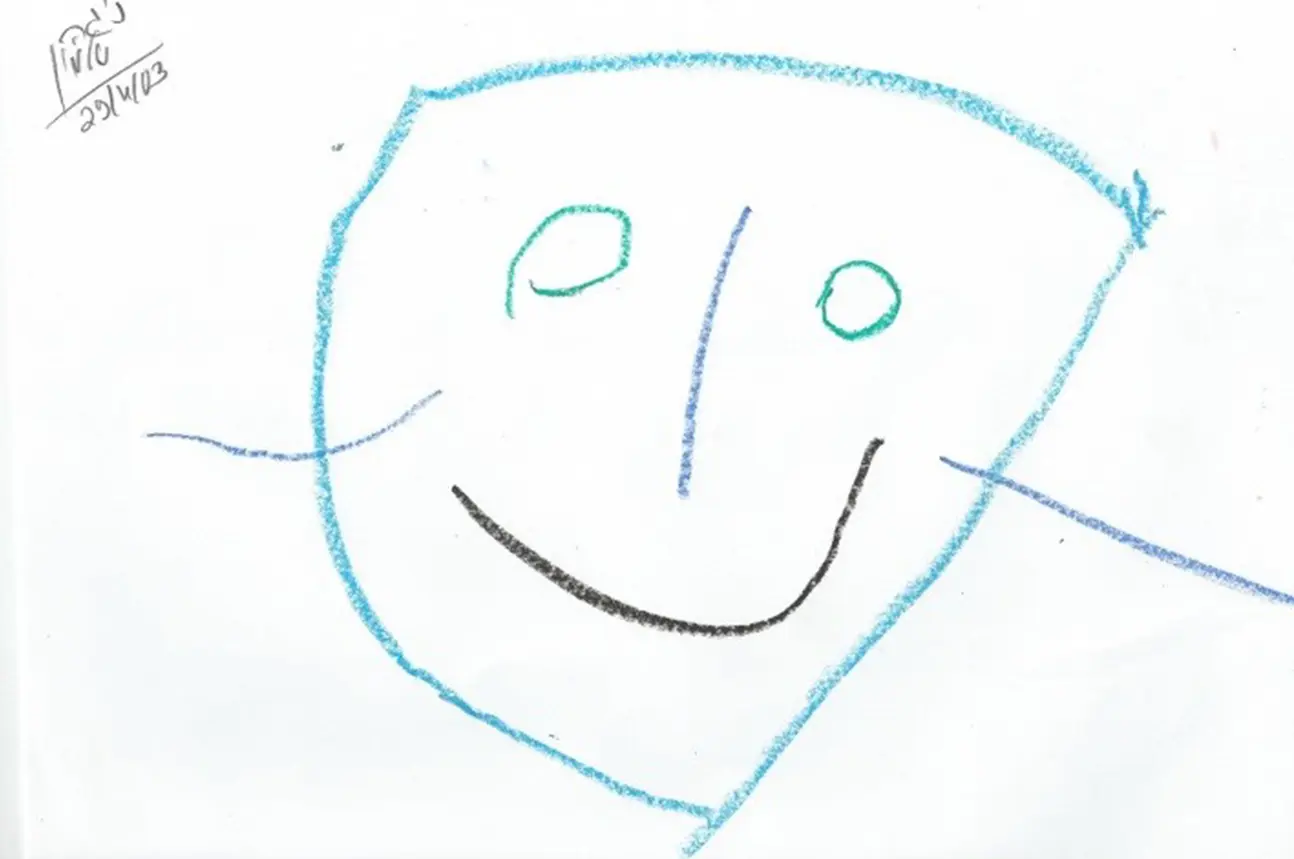
The first figure is a single circle — head and body together. This drawing is called a "tadpole figure" (headfooter).
The circle is the most complete and accessible shape for the child, and it also reflects a developmental stage: at this point, the child still experiences themselves and the world as one unit, rather than as a separate being.
Separation of Head and Body
As the sense of separateness (separation-individuation) and motor ability develop, an additional circle or shape for the body will appear. The legs will emerge from the body rather than the head, and eventually a neck will appear.
Gradually, the limbs also separate: fingers from the hand, head from body, and the body takes on a clearer structure.
I personally respond to every inquiry within 24–48 hours.
 WhatsApp
Expansion and Uniqueness (Ages 6–9)
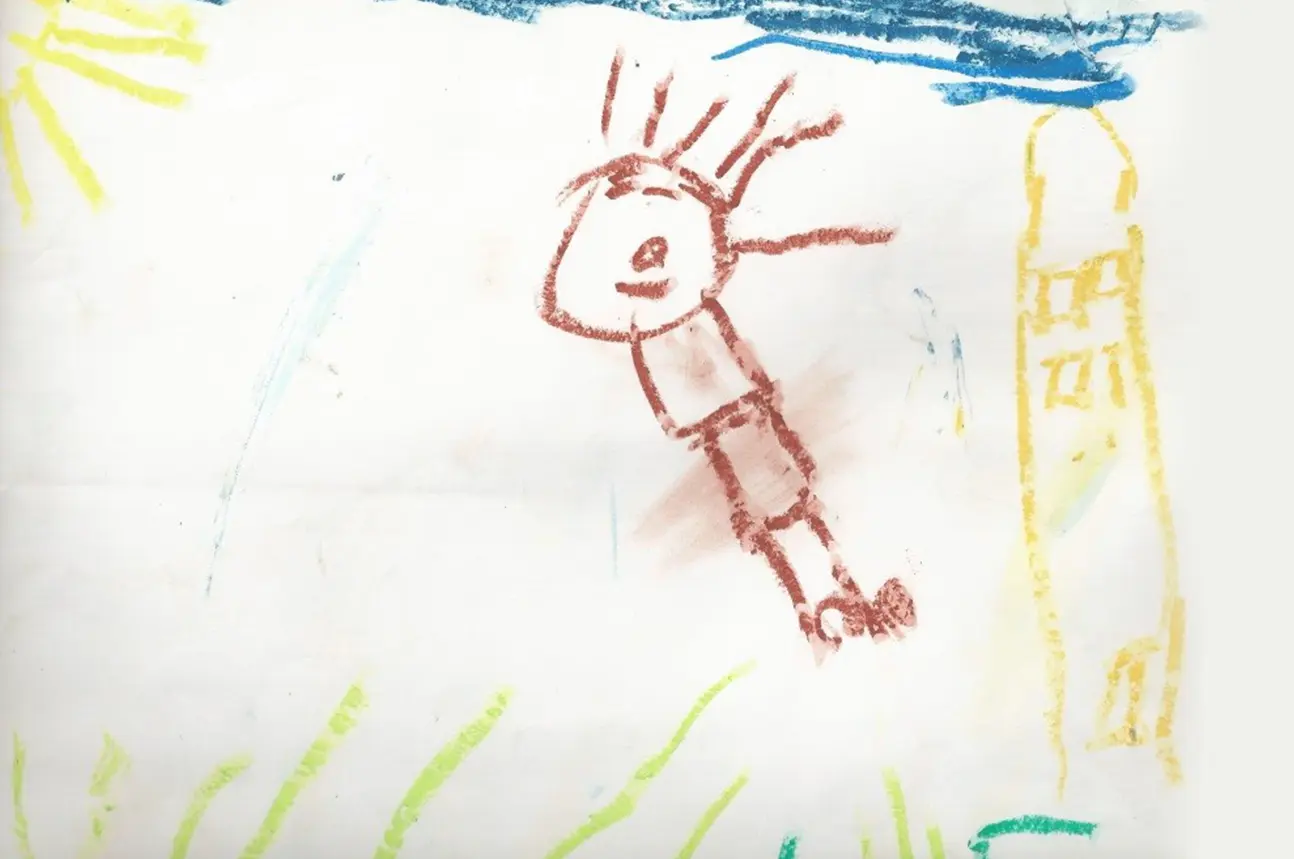
The figure gains movement and postures. Hair, teeth, clothing details, and gender identity are added. Later, objects, animals, and additional figures appear — and the drawing now depicts relationships and space.
Why Not Teach a Child to Draw a Figure?
Figure drawing development follows an internal, fixed order. When a child is taught to draw "correctly," they adopt an external form instead of discovering it from within.
Acceleration does not advance development — and sometimes even blocks it. When a child creates from within, they learn to explore, trust their feelings, and believe in their abilities.
A parent who allows this gives their child not just a drawing — but a foundation for confidence and creativity.
"The sights nurtured me from every side, and it was good that Mother sat beside me, accompanying my wonder, without directing my attention and without explaining. By refraining, she allowed the sights to flow straight into me..."
— Aharon Appelfeld, "My Father and Mother" (p. 6, Kinneret Zmora-Bitan Publishing)
I wrote extensively about the stages of figure drawing development in my book "Do Not Disturb, I'm Drawing".
Read more in my book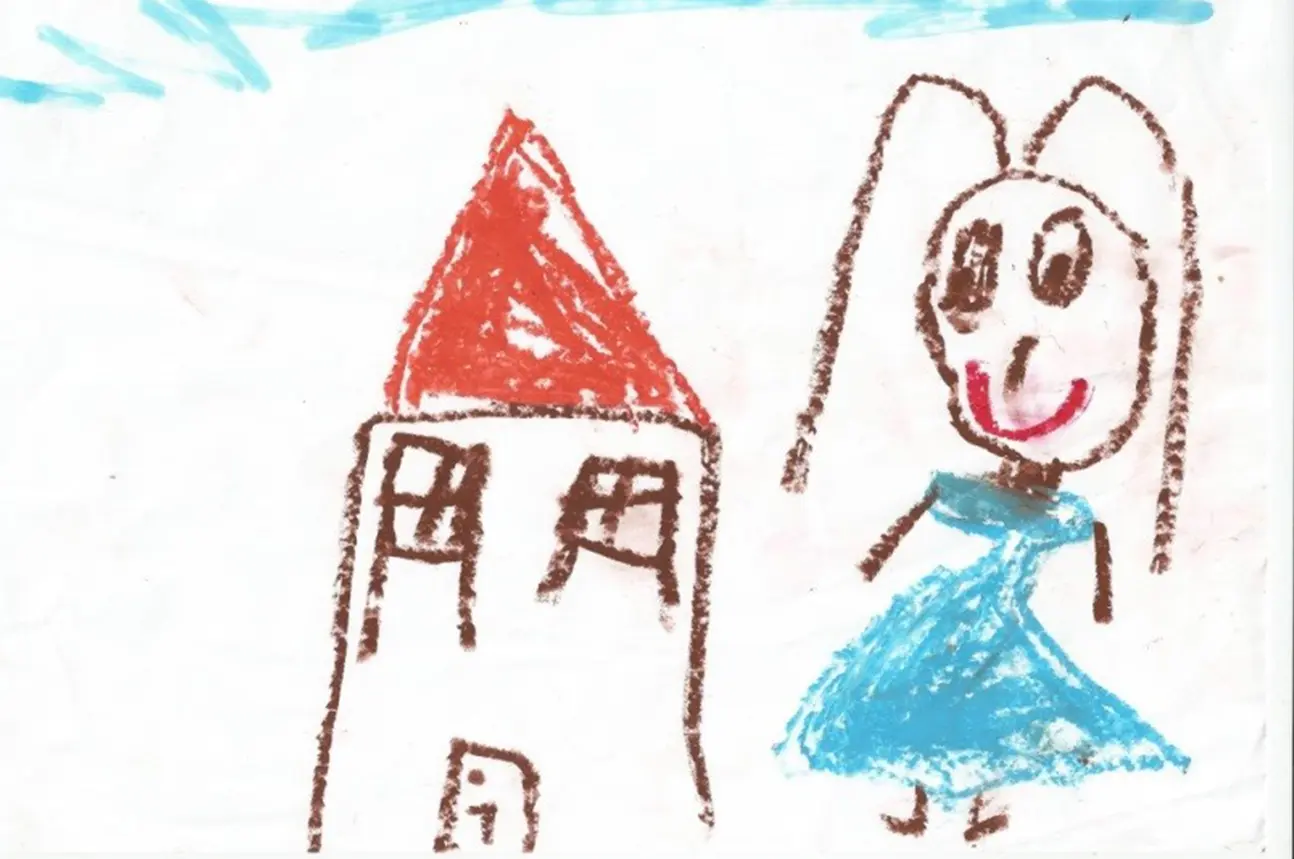
Read More

Art Therapy
Art therapy is an emotional therapy in which one undergoes a process of growth, development, and awareness, with the help of art materials and the power of creation…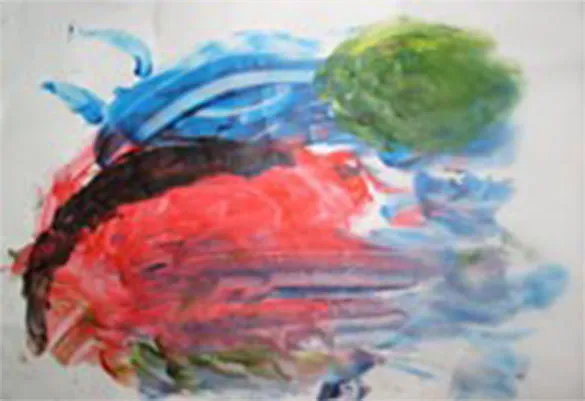
Therapy Demonstration
A demonstration of an art therapy process, step by step, accompanied by drawings and insights from the therapy room…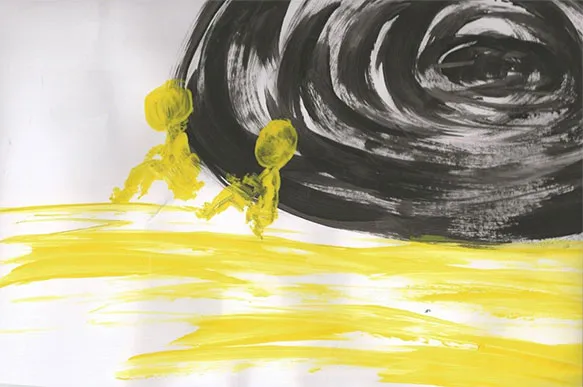
Art Therapy and Focusing
The Focusing approach is based on a process of listening to inner experience, paying attention to body sensations and images that arise…Want to know more?
I'd be happy to meet, answer questions, and help you get started.
Contact us for a consultation and appointment Focused depth meeting